


-

Add: HeBei ShengShi HongBang Cellulose Technology CO.,LTD.
-

Email
13180486930@163.com -

CONTACT US
+86 13180486930

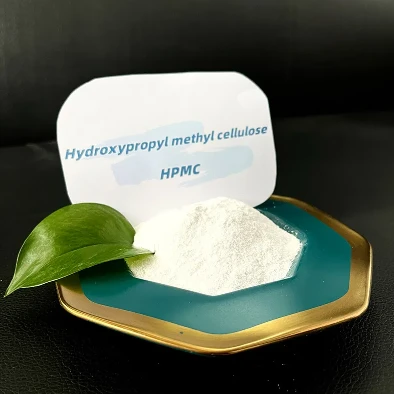


Fiberglass for Concrete Mix Enhancing Strength and Durability Concrete is one of the most widely used construction materials in the world, known for its strength and versatility. However, it does have its limitations, such as brittleness, susceptibility to cracking, and overall weight. To tackle these challenges, the incorporation of fiberglass into concrete mixes has emerged as a game-changing solution that boosts performance while maintaining the same traditional characteristics of concrete. What is Fiberglass? Fiberglass, or glass fiber, is a reinforced plastic material composed of fine fibers of glass. It is known for its high strength-to-weight ratio, excellent resistance to corrosion, and impressive insulation properties. When added to concrete mixes, fiberglass can significantly enhance the material's overall performance, making it a popular choice in various construction applications. Benefits of Fiberglass in Concrete Mixes 1. Improved Tensile Strength One of the most significant advantages of incorporating fiberglass into concrete is the enhancement of tensile strength. Traditional concrete tends to be strong in compression but weak in tension, which can lead to cracks and structural failures. By adding fiberglass, the tensile strength increases, making the concrete more resistant to stress and load-bearing requirements. 2. Reduced Shrinkage and Cracking Fiberglass acts as a reinforcement that helps to minimize shrinkage during the curing process. This reduction in shrinkage translates to a decreased risk of cracking, which is often a common issue in standard concrete mixes. By effectively controlling cracking, fiberglass-reinforced concrete extends the lifespan of structures and reduces the need for repairs. 3. Lightweight Composition The lightweight nature of fiberglass compared to traditional reinforcement materials like steel means that concrete mixes can maintain lower overall weight. This can reduce the structural load on foundations while still providing the necessary strength and durability. Such lightweight composition is particularly advantageous in projects where load restrictions are critical. fiberglass for concrete mix 4. Enhanced Durability Fiberglass is naturally resistant to corrosion and chemical attack, which can often plague concrete exposed to harsh environmental conditions. By incorporating fiberglass, the resulting concrete becomes more robust against moisture penetration, temperature fluctuations, and aggressive chemicals, making it ideal for use in areas such as coastal regions, industrial sites, or places with severe weather. 5. Cost-Effectiveness While there may be initial costs associated with adding fiberglass to concrete mixes, the long-term savings are significant. The durability and reduced maintenance associated with fiberglass-reinforced concrete often lead to lower repair and replacement costs over the lifecycle of a structure. Additionally, the efficiency of construction and the potential reduction in material usage can further offset expenses. Applications of Fiberglass-Reinforced Concrete The application of fiberglass in concrete mixes spans across various sectors including residential, commercial, and industrial construction. From precast concrete products to architectural elements, such as facades and sculptures, fiberglass enhances the performance and aesthetic appeal of concrete structures. One notable application is in the construction of pavements and flooring systems. The addition of fiberglass not only improves the structural integrity but also provides slip resistance, ensuring safety in both industrial and commercial environments. Moreover, the use of fiberglass in thin overlays and shotcrete processes shows significant promise, allowing for quick application with high durability. Conclusion In conclusion, the integration of fiberglass into concrete mixes presents a wealth of benefits that significantly enhance the material's performance. Improved tensile strength, reduced shrinkage, enhanced durability, and lightweight composition make fiberglass-reinforced concrete an excellent choice for modern construction projects. As the construction industry continues to evolve, adopting innovative materials like fiberglass will be crucial in meeting the demands for stronger, more resilient, and cost-effective building solutions. By embracing these advancements, engineers and architects can create structures that not only stand the test of time but also contribute to more sustainable development practices.
- 40000tons

Production
- 20+years

Experience
- 5000+㎡

Acreage

-
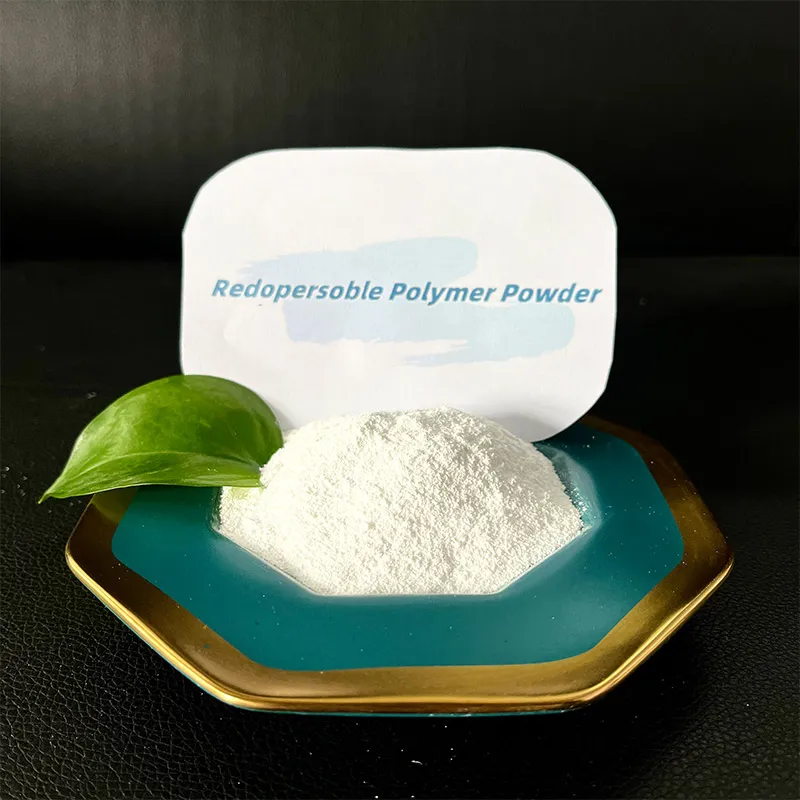
HPMC cellulose, also known as Hydroxypropyl Methylcellulose, is a versatile and essential compound that has gained widespread recognition across various industries. Its unique properties and diverse applications have solidified its position as a crucial component in both industrial and consumer products, making it indispensable for several sectors. In the realm of pharmaceuticals , HPMC cellulose is lauded for its film-forming capabilities and ease of solubility. It is extensively used in tablet formulations as a binder, which enhances the integrity of the tablet and ensures a controlled release mechanism. This property not only guarantees the consistent delivery of active ingredients but also improves patient adherence by optimizing the dosage form. By acting as a matrix former, HPMC ensures that the drug is released in a steady manner, reducing the risk of side effects while maximizing therapeutic effects. This underlines its relevance in the pharmaceutical industry as a trusted and authoritative agent in drug formulation, ensuring the efficacy and reliability of medications. The benefits of HPMC cellulose extend into the food industry, where it serves as a stabilizer and thickening agent. Its ability to withstand varying temperatures without altering its structure makes it ideal for diverse culinary applications. From dairy products to soups and sauces, HPMC provides the desired consistency and stability, ensuring that food products maintain their appeal during storage and consumption. Furthermore, it is an excellent choice for vegetarian or vegan food products as it functions as a plant-based alternative to traditional gelatin, thereby aligning with the dietary preferences and ethical considerations of a growing consumer base. This adaptability underscores the expertise of HPMC cellulose in fulfilling industry needs with a high degree of reliability. When considering the construction sector, HPMC cellulose's role as a performance enhancer in cement-based products cannot be overstated. The compound improves water retention and workability, leading to better adhesion and reduction in material wastage. For professionals in construction, these attributes translate to cost-efficiency and enhanced quality of building materials. Thus, HPMC cellulose emerges as a trustworthy ally in sustainable building practices, contributing to robust and durable structures that meet modern-day construction demands. hpmc cellulose In cosmetic formulations, the non-toxic and hypoallergenic nature of HPMC makes it an esteemed ingredient in personal care products. Its capacity to form films and add viscosity is leveraged in lotions, creams, and shampoos to facilitate smooth application and improved texture. Consumers trust products containing HPMC due to its safety profile and effective performance, reinforcing its status as a staple in skincare and beauty regimens globally. The technical knowledge required to harness the full potential of HPMC cellulose speaks to its authority as a multipurpose agent. Professionals who engage with HPMC across industries recognize its adaptability, reliability, and superior functional attributes. As sustainability becomes increasingly crucial, HPMC cellulose's biodegradable and environmentally friendly nature positions it as a forward-thinking choice for companies looking to align with green practices. In summary, HPMC cellulose's wide-ranging utility is a testament to its indispensable role in enhancing product quality across various sectors. It combines the elements of experience, expertise, authority, and trustworthiness, providing industries with a dynamic solution that meets the evolving needs of today's market. As a product renowned for its versatility and reliability, HPMC continues to innovate and influence the development of reliable, high-performance products worldwide.
-
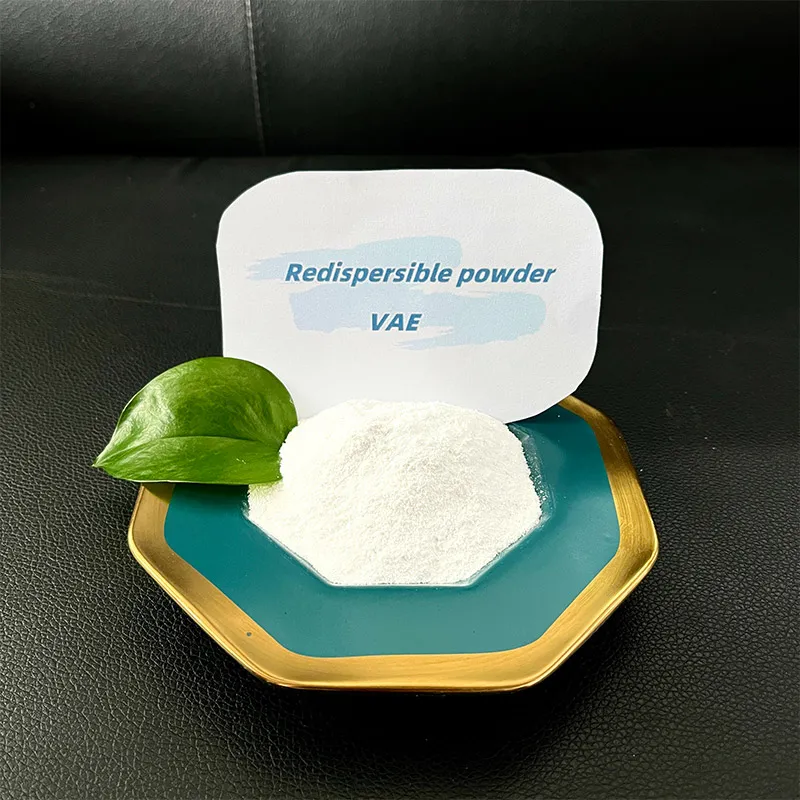
The journey of synthetic fibers began with an innovation that changed the textile industry forever the creation of nylon, recognized as the first synthetic fiber. Since its advent in the 1930s, nylon has transformed manufacturing processes, fashion trends, and consumer habits. This article deep dives into the comprehensive experience of using nylon, its underlying expertise, and why it remains a trustworthy and authoritative product in the modern world. Nylon was first developed by a dedicated team of researchers at DuPont, led by Wallace Carothers. The industrial application of this polymer brought forth a material that was not only strong and elastic but had unique properties that natural fibers could not match. Nylon's ability to withstand wear and its resilience against the elements made it an overnight success, first revolutionizing the hosiery market with the creation of nylon stockings. The experience of using nylon as a product began with its adaptability. Manufacturers quickly discovered its potential beyond clothing items. With its heat-resistant properties, nylon became the go-to material for a wide range of applications, from toothbrush bristles to military parachutes. Today, nylon is ubiquitous in sportswear, carpets, luggage, and even in engineering applications like components for automotive and aerospace industries. Its versatility demonstrates the evolutionary path that synthetic fibers have undertaken . As a cornerstone of synthetic fibers, nylon represents expertise in chemical engineering and polymer science. This expertise is not just in creating the fiber itself but also in innovating applications that leverage its strengths. Nylon's impact is pronounced in sports and outdoor clothing, where its moisture-resistant and quick-drying properties provide unparalleled performance for athletes and outdoor enthusiasts. Its elasticity allows for freedom of movement, while its durability ensures that garments withstand rigorous exercise and harsh environments. Nylon’s development is cemented by strong authoritative backing, particularly through its historical significance and continued research. Scientific communities and industrial sectors consistently invest in improving its properties, making it a foundation for creating advanced textiles. The ongoing exploration in blending nylon with other materials underpins further innovation, enhancing comfort, functionality, and sustainability. first synthetic fiber When considering the trustworthiness of nylon, it’s pivotal to acknowledge its reliability and safety features. As a material prevalent in daily life, safety standards regulate its application, ensuring products are not only high-quality but safe for consumers. Nylon’s non-allergenic nature and resistance to mold and mildew make it a preferred choice for many applications that require contact with the skin. Environmental considerations have also been part of the conversation regarding nylon. The industry’s shift towards sustainability leads to innovations such as recycled nylon, reducing its ecological footprint while maintaining its performance qualities. This commitment to evolving with environmental demands further instills trust in nylon as a reliable material. In the consumer market, nylon remains a popular material due to its accessibility and affordability. Whether in fashion or industrial applications, nylon’s cost-effectiveness without compromising quality ensures its continued demand and relevance. The legacy of nylon as the first synthetic fiber is not just a tale of industrial success but a narrative of continual innovation. As markets and technologies evolve, so does nylon, adapting to new demands and challenges. Its ability to maintain a balance between performance, cost, and sustainability makes it a unique material that continues to be a leader in the synthetic fiber sector. Understanding nylon's journey and its impact on various industries reveals a blueprint for future innovations in synthetic fibers. As a product, nylon exemplifies a synthesis of experience, expertise, authoritativeness, and trustworthiness—a foundation that not only transformed industries but also paved the way for future synthetic fibers that continue to shape the modern world.
advantages
-

200000 Viscosities
Excellent product
We can produce pure products up to 200,000 viscosities
-

40000 tons
High yield
We don’t stop production all year round, and the annual output can reach 40,000 tons
-

24 hours
Quality service
We provide 24-hours online reception service, welcome to consult at any time
———— Inquiry Form
Schedule A services

-
 electrostatic_non_woven_polypropylene_fiber
Oct . 25, 2025
The digital marketplace thrives on innovation, technological advancement, and the ability to solve r -
 retaine_hpmc
Oct . 25, 2025
In the realm of construction and building materials, one innovative component is making waves for it -
 fiber_polypropen
Oct . 25, 2025
Understanding Polypropylene Fibers for Concrete Slabs Enhancing Durability and Performance In the re


